
"Yemeni coffee drying"
900 article(s) found

Diamonds on the Asian Coffee Crown of Yemeni Mocha Coffee
Yemeni coffee, a well-known coffee named after a port in Yemen. The most familiar mocha coffee. When the word appears on the recipes of bags and cafes, the meaning is different. The former refers to the port where coffee beans are exported, while the latter refers to a kind of coffee. Strictly speaking, coffee beans exported from the port of Mocha in Yemen can be called mocha coffee. Later, the port

The oldest coffee: a brief introduction to the flavor, taste and aroma characteristics of Yemeni mocha coffee
A long time ago, Ethiopians ruled what is now Yemen and transplanted coffee to Yemen. later, Arabs ruled the entire Arabian Peninsula, and Yemen was also among them. Natural energy coffee also became an Arab drink. In order to monopolize the product of coffee, the export of coffee beans had to be ironed so that they could not sprout. At that time, the port of coffee export was the port of Mocha.

A probe into the story of the sun-dried beans of Moka Matari in Yemen
For more information on coffee beans, please follow the coffee workshop (official account cafe_style of Wechat). It is mentioned that the Yemeni mocha coffee instantly reminds people of the magical sun-dried beans that taste thick and full, and the fantastic wild aroma like fermented tea in its aftertaste is stacked on stacks, full of mysterious unpredictable and boundless longing like the country of Yemen. Yemen is located in Asia across the Red Sea and East Africa.

Boutique coffee recommends coffee from Yemen
Before the 6th century AD, Yemen was called Arabia, so coffee trees shipped from Yemen to other places were also called Arabian coffee trees. But the origin of these trees is Ethiopia. Yemen is the first country in the world to produce coffee on a large scale as a crop. Today, coffee farmers in Yemen still use the same method to produce coffee as they did 500 years ago.

How to drink Yemeni Coffee correctly? how to drink Yemeni mocha Coffee with something authentic?
Professional coffee knowledge exchange more coffee bean information Please follow the coffee workshop (Wechat official account cafe_style) in the afternoon guests came to the store and ordered a cup of Yemeni coffee, and we both tasted it for a long time and had a very special taste that made the coffee show a strong and deep throat rhyme. I was not sure for a long time, but that's the taste I didn't drink. I can't hit the beans.

Yemen Mocha also how to brew mocha coffee beans _ video of how to drink mocha coffee beans
Professional coffee knowledge exchange more coffee bean information please follow the coffee workshop (Wechat official account cafe_style) for lovers who dabble in coffee slightly, when it comes to Yemeni coffee, it is easy to associate mocha coffee beans. Yemen has a long history of growing coffee. By the early 17th century, Yemeni coffee beans began to be exported to Europe from the southwestern port of Mocha, and Europeans began to export
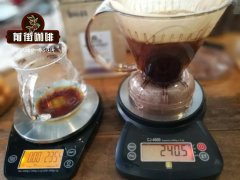
Picture of Yemeni mocha Coffee: introduction to the planting and treatment of mocha Coffee beans in Yemen
Professional coffee knowledge exchange more coffee bean information please follow the coffee workshop (Wechat official account cafe_style) the Yemeni national micro is made up of eagles and flags. The eagle symbolizes power, and the shield on its chest is painted with the famous monument Malibu Dam and coffee trees. The Republic of Yemen is written on the ribbon in Arabic. Mocha is a port in the Arab Republic of Yemen, where people put the Arab region

Yemeni Mocha Sabah Sabri coffee roasting proposal that production has been declining
Professional barista communication please pay attention to the coffee workshop (Wechat official account cafe_style) Yemen mocha-Saber Sabri origin is Saber Sabri Yemen Sabri Saber is not in 9 small coffee producing areas, coffee is grown on terraces, there is no information to verify the wild varieties, what is so special about this bean? Because arable rare terraces are said to have a mild and refreshing effect.

Coffee in Yemen details the origin of coffee in Yemen
Before the 6th century AD, Yemen was called Arabia, so coffee trees shipped from Yemen to other places were also called Arabian coffee trees. But the origin of these trees is Ethiopia. Yemen is the first country in the world to produce coffee on a large scale as a crop. Today, coffee farmers in Yemen still use the same method to produce coffee as they did 500 years ago.

What are the characteristics of Yemeni mocha-Matari sun beans and coffee beans? What about mocha coffee beans?
Professional coffee knowledge exchange more coffee bean information please follow the coffee workshop (Wechat official account cafe_style) Yemen mocha-Matali (Matari) sun-dried beans characteristics of coffee beans? How do you make mocha beans to taste good? Located in Ethiopia across the Red Sea and East Africa in Asia, Yemen is the highest quality producer of natural tanning coffee.
Yemeni Coffee Origin introduces Yemeni Coffee aroma Yemeni Coffee Tree species
The country name of the coffee-producing area of Yemen with a long history: the land area of the Republic of Yemen: about 528000 square kilometers of the country population: about 25 million people Climate: most of the land of Yemen is very powerful during the day, cool at night, and there is a large temperature difference between day and night, but there are some exceptions. Coffee cultivation in Yemen has a long history, and Yemenis believe that coffee originated in Yemen. Because the port of Mocha
Boutique single Yemeni coffee beans
Yemeni Coffee Mocha is the earliest export port of Yemeni coffee beans, a well-known coffee named after a port in Yemen. The most familiar mocha coffee. When the word appears on the recipes of bags and cafes, the meaning is different. The former refers to the port where coffee beans are exported, while the latter refers to a kind of coffee. Strictly speaking, exported from the Yemeni port of Mocha
Yemeni coffee mocha coffee boutique coffee
Yemeni Coffee Mocha is the earliest export port of Yemeni coffee beans, a well-known coffee named after a port in Yemen. The most familiar mocha coffee. When the word appears on the recipes of bags and cafes, the meaning is different. The former refers to the port where coffee beans are exported, while the latter refers to a kind of coffee. Strictly speaking, exported from the Yemeni port of Mocha

Yemeni mocha coffee Shannani features introduction to introduce you to Yemeni coffee
Country: Yemen production area: Shannani Farm name: small producing group grade: naturally dried Arabica beans, no regulatory agency, no grading system altitude: 1650 meters certification: all coffee is grown organically in accordance with the ancient method, without the use of pesticides containing chemicals, etc. Varieties: 10 special local native mocha species to Jaadi,Taffahi, Dawa

The reason for the good quality of Yemeni coffee, the coffee history of Yemen
Following caf é (Wechat official account vdailycom) found that Beautiful Caf é opened its own shop in the coastal plains of the Red Sea in western Yemen. The climate, soil and water conditions are not suitable for growing coffee. Coffee is mainly produced in the western mountains. Mocha coffee grows in the mountains at an altitude of 3000 meters, where the geographical environment is unique, the mountains are rugged, the air is thin, the light is strong, and the moisture comes from falling.

What is mocha coffee? Yemeni mocha-Matali sun beans are the real mocha coffee beans in Yemen
Professional coffee knowledge exchange more coffee bean information please follow the coffee workshop (Wechat official account cafe_style) take a sip and then stir! The right way to drink mocha Coffee the right way to drink mocha mentioned that Yemeni coffee immediately reminds people of magical sun-dried beans that taste thick and full, and the magical wild aroma of fermented tea is stacked layer by layer, full of mystery and mystery like the country of Yemen.

History of Yemeni Coffee Development the oldest coffee is Yemeni coffee? is it produced and planted in the sea?
Professional coffee knowledge exchange more coffee bean information please follow the coffee workshop (Wechat official account cafe_style) the Republic of Yemen is located in the southwestern tip of the Arabian Peninsula, bordering Saudi Arabia and Oman, bordering the Red Sea, the Gulf of Aden and the Arabian Sea. In May 1990, it was formed by the merger of the Arab Republic of Yemen (Northern Yemen) and the people's Democratic Republic of Yemen (Southern Yemen). There are more than 3000 in Yemen

What is the growing environment of Moka Yishi Mary in Yemen? What is the mocha tree? How to use v60
Professional coffee knowledge exchange more coffee bean information please follow the coffee workshop (Wechat official account cafe_style) Yemen Mocha Yishi Mary growth environment? What is the mocha tree? How to use v60 filter cup to brew mocha? The special sun treatment of the Yemeni mocha is to harvest the mature and dry coffee beans on the trees manually and put the whole coffee directly on the

Full-sun coffee producing country Yemeni coffee cultivation situation is Yemeni coffee high price Yemeni coffee is the most expensive
Professional coffee knowledge exchange more coffee bean information please follow coffee workshop (Wechat official account cafe_style) Yemeni coffee beans _ mocha coffee beans Yemeni mocha coffee beans each country's history records its own culture and craftsmanship. For example, Japanese paper, Indian silk and Persian carpets. When it comes to Yemen, the most representative is coffee. In Yemen, there is nothing
Asian Coffee Crown Diamond Yemeni Coffee
Yemen is the first country in the world to grow coffee on a large scale and has a long history. As early as the beginning of the 6th century, when coffee spread from the Horn of Africa to Yemen, Yemenis began to grow coffee as a cash crop. Yemenis have had the habit of drinking coffee since ancient times, and the coffee culture here is very different from that of other parts of the world. In Yemen, many people are engaged in coffee harvesting.